0
min read

Holiday Season Situational Awareness and Personal Safety Guidance
Published on
December 16, 2025
Source: IES Safety | Author: JP Pennington, Operating Partner

The holiday season is a time when our employees and their  families are often on the move: shopping, attending holiday events, visiting  family, or traveling after dark. These activities take place in environments  that present increased risk, especially when our situational awareness  declines. Criminal activity, vehicle break-ins, and personal assaults  traditionally rise during November and December according to long-standing  trends reported by the Federal Bureau of Investigation (FBI). Maintaining  situational awareness is one of the most effective ways to protect yourself  and those you care about.  

Situational awareness means staying alert to what is happening  around you, recognizing potential threats early, making safe decisions, and  avoiding complacency. During the holidays, individuals often hurry, carry  multiple bags, focus on mobile devices, or feel distracted by stress and long  to-do lists. These behaviors make people more vulnerable to crime. The  purpose of this article is to reinforce safe personal practices that reduce  security risks at a time of year when criminals rely on distraction and lowered  vigilance.

Parking Lot and Retail Area Safety

Parking lots, parking garages, and shopping centers are  primary locations where criminals look for opportunity. Because these areas  often involve movement between spaces (e.g., store to vehicle), they function  as what security practitioners refer to as transitional spaces, where  vigilance tends to drop, and criminals may exploit distraction.

To enhance  safety:

·     Park in well-lit, populated areas whenever possible.

·     Avoid parking next to large vehicles or vans that can  block visibility.

·     Secure all valuables in the trunk or out of sight  before arriving at your destination.

·     Walk with purpose. Keep your head up, keys in your  hand, and maintain awareness of anyone loitering or sitting in vehicles.

·     Before entering your vehicle, check the back seats and  the surrounding area.

·     If something feels wrong, trust your instincts, and  return to the store or ask for security to escort you to your vehicle.

Fueling Stations and Public Areas

Gas stations are another area where situational awareness  frequently drops. People often focus on pumping fuel, checking their phones,  or going inside to pay. Criminals target distracted individuals and may  attempt theft, purse snatching, or vehicle entry.

Consider  the following precautions:

·     Lock your doors while fueling.

·     Keep your phone in your pocket to maintain full  awareness.

·     Position yourself so you can see your surroundings and  your vehicle.

·     If someone approaches you unexpectedly, maintain  distance. Decline conversation or assistance.

·     Avoid fueling late at night in poorly lit areas  whenever possible.

Electronic Distractions and “Pretext”  Approaches

Mobile phones and electronic devices are one of the primary  contributors to reduced situational awareness. Criminals look for individuals  who are distracted or mentally “off task.”

In addition, many criminals use pretexts or social  manipulation to create distraction. This may include pretending to need help,  asking for money, offering unsolicited assistance, or initiating conversation  designed to close distance between them and the victim.

Safety  considerations include:

·     Limit phone use in parking lots, while walking, or  while pumping gas.

·     If someone approaches you unexpectedly, maintain space  and politely disengage.

·     Avoid offering money, assistance, or rides to strangers  regardless of their story.

·     Understand that genuine individuals in need will  typically seek assistance from store personnel, security, or emergency  services rather than private citizens in parking lots.

·     Teach family members, especially teenagers, to maintain  similar boundaries.

Shopping Safety and Personal Belongings

Retail theft and personal theft increase significantly during  the holiday season. Staying alert and taking small precautions can reduce the  likelihood of being targeted.

Recommendations  include:

·     Do not overload yourself with packages. Make multiple  trips or ask for help.

·     Keep purses zipped and close to your body. Avoid  leaving wallets or bags unattended in shopping carts.

·     Use contactless payment when possible, to reduce  card-skimming exposure.

·     Be aware of individuals following you from store to  store or attempting to overhear PIN codes.

·     Limit public display of expensive purchases when  leaving stores.

Vehicle Safety and Theft Prevention

Vehicle break-ins increase during the holiday season.  According to historical FBI property crime data, unlocked vehicles remain a  primary target.

To reduce  risk:

·     Always lock your vehicle, even if leaving it for only a  moment.

·     Avoid leaving bags, electronics, or wrapped gifts  visible.

·     Install vehicle-tracking apps or enable built-in  tracking features.

·     When returning to your vehicle, avoid sitting inside  while texting or reviewing receipts; this distraction period is commonly  exploited.

Holiday Travel and Residential Safety

Travel and  time away from home also create opportunity for criminal activity. Consider  the following precautions:

·     Leave interior lights on a timer when traveling.

·     Avoid posting travel details publicly on social media  until you have returned home.

·     Secure all windows and doors before leaving home.

·     Ask a trusted neighbor to keep an eye on the property  or collect packages.

·     Ensure packages delivered to your home are retrieved  promptly to prevent theft.

Encourage Others and Share the Reminder

Situational awareness does not require special training; it  requires intentional attention. These reminders can help protect you, your  family, and your coworkers. Please feel free to share this article with your  family members, friends, and anyone in your personal network who may benefit  from a timely reminder to stay alert and safe during the holiday season.

Your vigilance protects not only you but the people around  you.


References

Federal Bureau of  Investigation. (2023). Crime in the United States: Annual statistical  report. https://ucr.fbi.gov

Department of  Homeland Security. (2022). If You See Something, Say Something: Public awareness  resources.  https://www.dhs.gov/see-something-say-something


Related News

July 21, 2024

Blog title heading will go here

Lorem ipsum dolor sit amet, consectetur adipiscing elit. Suspendisse varius enim in eros
Read More
5 min read
December 16, 2025

Holiday Season Situational Awareness and Personal Safety Guidance

The holiday season is a time when our employees and their families are often on the move: shopping, attending holiday events, visiting family, or traveling after dark. These activities take place in environments that present increased risk, especially when our situational awareness declines. Criminal activity, vehicle break-ins, and personal assaults traditionally rise during November and December according to long-standing trends reported by the Federal Bureau of Investigation (FBI). Maintaining situational awareness is one of the most effective ways to protect yourself and those you care about.
Read More
0
min read
Source: IES Safety | Author: JP Pennington, Operating Partner

The holiday season is a time when our employees and their  families are often on the move: shopping, attending holiday events, visiting  family, or traveling after dark. These activities take place in environments  that present increased risk, especially when our situational awareness  declines. Criminal activity, vehicle break-ins, and personal assaults  traditionally rise during November and December according to long-standing  trends reported by the Federal Bureau of Investigation (FBI). Maintaining  situational awareness is one of the most effective ways to protect yourself  and those you care about.  

Situational awareness means staying alert to what is happening  around you, recognizing potential threats early, making safe decisions, and  avoiding complacency. During the holidays, individuals often hurry, carry  multiple bags, focus on mobile devices, or feel distracted by stress and long  to-do lists. These behaviors make people more vulnerable to crime. The  purpose of this article is to reinforce safe personal practices that reduce  security risks at a time of year when criminals rely on distraction and lowered  vigilance.

Parking Lot and Retail Area Safety

Parking lots, parking garages, and shopping centers are  primary locations where criminals look for opportunity. Because these areas  often involve movement between spaces (e.g., store to vehicle), they function  as what security practitioners refer to as transitional spaces, where  vigilance tends to drop, and criminals may exploit distraction.

To enhance  safety:

·     Park in well-lit, populated areas whenever possible.

·     Avoid parking next to large vehicles or vans that can  block visibility.

·     Secure all valuables in the trunk or out of sight  before arriving at your destination.

·     Walk with purpose. Keep your head up, keys in your  hand, and maintain awareness of anyone loitering or sitting in vehicles.

·     Before entering your vehicle, check the back seats and  the surrounding area.

·     If something feels wrong, trust your instincts, and  return to the store or ask for security to escort you to your vehicle.

Fueling Stations and Public Areas

Gas stations are another area where situational awareness  frequently drops. People often focus on pumping fuel, checking their phones,  or going inside to pay. Criminals target distracted individuals and may  attempt theft, purse snatching, or vehicle entry.

Consider  the following precautions:

·     Lock your doors while fueling.

·     Keep your phone in your pocket to maintain full  awareness.

·     Position yourself so you can see your surroundings and  your vehicle.

·     If someone approaches you unexpectedly, maintain  distance. Decline conversation or assistance.

·     Avoid fueling late at night in poorly lit areas  whenever possible.

Electronic Distractions and “Pretext”  Approaches

Mobile phones and electronic devices are one of the primary  contributors to reduced situational awareness. Criminals look for individuals  who are distracted or mentally “off task.”

In addition, many criminals use pretexts or social  manipulation to create distraction. This may include pretending to need help,  asking for money, offering unsolicited assistance, or initiating conversation  designed to close distance between them and the victim.

Safety  considerations include:

·     Limit phone use in parking lots, while walking, or  while pumping gas.

·     If someone approaches you unexpectedly, maintain space  and politely disengage.

·     Avoid offering money, assistance, or rides to strangers  regardless of their story.

·     Understand that genuine individuals in need will  typically seek assistance from store personnel, security, or emergency  services rather than private citizens in parking lots.

·     Teach family members, especially teenagers, to maintain  similar boundaries.

Shopping Safety and Personal Belongings

Retail theft and personal theft increase significantly during  the holiday season. Staying alert and taking small precautions can reduce the  likelihood of being targeted.

Recommendations  include:

·     Do not overload yourself with packages. Make multiple  trips or ask for help.

·     Keep purses zipped and close to your body. Avoid  leaving wallets or bags unattended in shopping carts.

·     Use contactless payment when possible, to reduce  card-skimming exposure.

·     Be aware of individuals following you from store to  store or attempting to overhear PIN codes.

·     Limit public display of expensive purchases when  leaving stores.

Vehicle Safety and Theft Prevention

Vehicle break-ins increase during the holiday season.  According to historical FBI property crime data, unlocked vehicles remain a  primary target.

To reduce  risk:

·     Always lock your vehicle, even if leaving it for only a  moment.

·     Avoid leaving bags, electronics, or wrapped gifts  visible.

·     Install vehicle-tracking apps or enable built-in  tracking features.

·     When returning to your vehicle, avoid sitting inside  while texting or reviewing receipts; this distraction period is commonly  exploited.

Holiday Travel and Residential Safety

Travel and  time away from home also create opportunity for criminal activity. Consider  the following precautions:

·     Leave interior lights on a timer when traveling.

·     Avoid posting travel details publicly on social media  until you have returned home.

·     Secure all windows and doors before leaving home.

·     Ask a trusted neighbor to keep an eye on the property  or collect packages.

·     Ensure packages delivered to your home are retrieved  promptly to prevent theft.

Encourage Others and Share the Reminder

Situational awareness does not require special training; it  requires intentional attention. These reminders can help protect you, your  family, and your coworkers. Please feel free to share this article with your  family members, friends, and anyone in your personal network who may benefit  from a timely reminder to stay alert and safe during the holiday season.

Your vigilance protects not only you but the people around  you.


References

Federal Bureau of  Investigation. (2023). Crime in the United States: Annual statistical  report. https://ucr.fbi.gov

Department of  Homeland Security. (2022). If You See Something, Say Something: Public awareness  resources.  https://www.dhs.gov/see-something-say-something


August 20, 2025

Back-to-School Safety Tips for Families

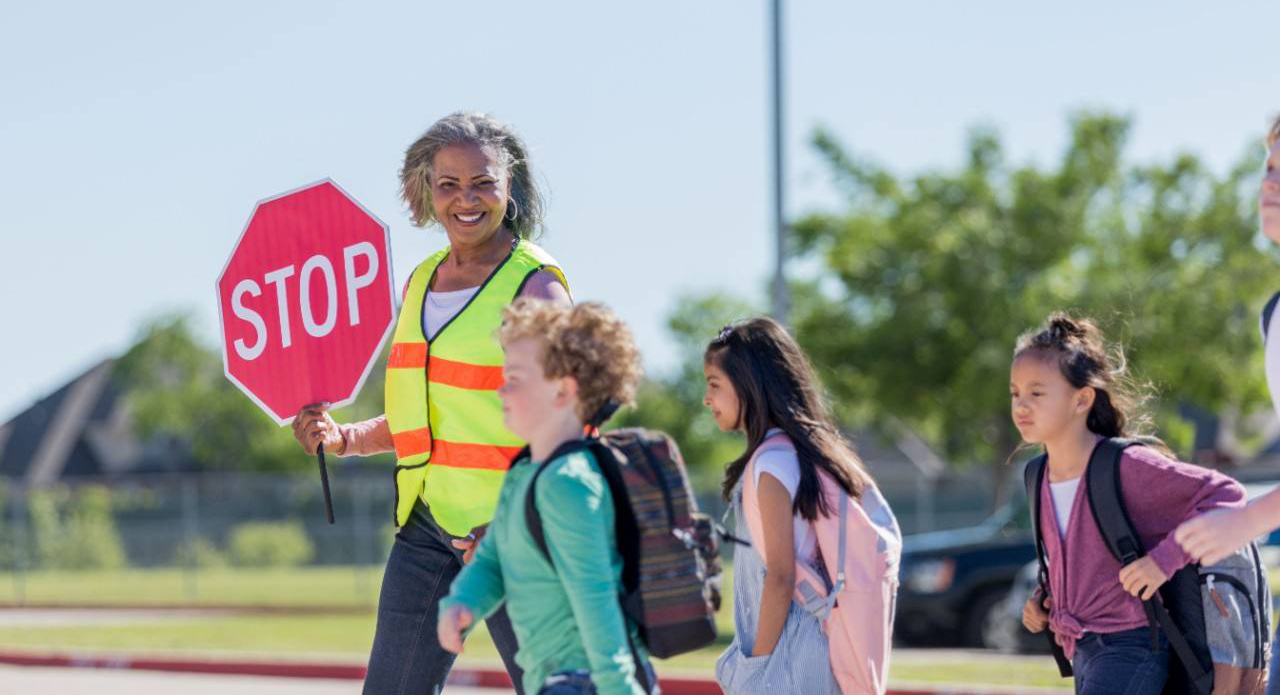
As the new school year begins, it is important for parents, students, and drivers to work together to ensure children travel safely to and from school. Safety should be a top priority, whether kids are walking, biking, riding the bus, or being dropped off by car. By staying alert, following traffic laws, and practicing safe habits, we can help protect students and create a safer environment for everyone during busy school hours.
Read More
0
min read

Back-to-School Safety Tips for Families

Source: redcross.org

As the new school year begins, it is important for parents, students, and drivers to work together to ensure children travel safely to and from school. Safety should be a top priority, whether kids are walking, biking, riding the bus, or being dropped off by car. By staying alert, following traffic laws, and practicing safe habits, we can help protect students and create a safer environment for everyone during busy school hours.

Safety for Young Children

If your child is heading to school for the first time, take time to review these basics:

  • Make sure they know their home address, phone number, and how to reach a parent at work or another trusted adult.
  • Teach them how to call 911 in an emergency.
  • Remind them never to speak with strangers or accept a ride from someone they don’t know.

Walking to School

Students who walk should:

  • Use sidewalks whenever possible. If none are available, walk facing traffic.
  • Stop and look left, right, and left again before crossing the street.
  • Cross only at corners or marked crosswalks and follow traffic signals.
  • Never run into the street or cross between parked cars.

Riding the School Bus

For those who take the bus:

  • Arrive at the bus stop early and wait a safe distance from the curb.
  • Only board once the bus has completely stopped and the driver says it’s safe.
  • Always ride their assigned bus and never an unfamiliar one.
  • Stay visible to the bus driver and avoid walking behind the bus.

Biking to School

Students who bike should:

  • Always wear a properly fitted helmet.
  • Ride on the right-hand side of the road, moving in the same direction as traffic.

Riding in the Car

If you drive your child to school:

  • Make sure everyone is buckled up every trip.
  • Children ages 8–12 (or under 4’9”) should use a booster seat until the seat belt fits properly.
  • Kids should ride in the back seat until they are at least 13 years old.

Teen Drivers

If your teenager drives to school, remind them to:

  • Always wear a seat belt.
  • Never text, make calls, or eat and drink while driving.

Cell Phones and Safety Apps

If your student has a phone, consider downloading free Red Cross First Aid and Emergency Apps at redcross.org/apps so they can access safety tips and severe weather alerts when needed.

A Reminder for Drivers

As school starts, roads become busier with children walking, biking, and riding buses. Drivers should:

  • Slow down in school zones and near bus stops.
  • Know that flashing yellow lights on a bus mean it is preparing to stop.
  • Stop completely when red lights are flashing and the stop arm is extended. This means children are getting on or off.
  • Remain stopped until the lights stop flashing, the stop sign folds back, and children have reached a safe location.

Remember: This applies to both two- and four-lane roads, unless lanes are divided by a physical barrier such as a grassy median or guardrail.

Smart, Safe, and Hunting Season Ready

As hunting season gets underway, it’s a great time to refocus on safety, both in the woods and on the job. Whether you’re heading out before sunrise or wrapping up after a long day, taking a few simple precautions can make all the difference. Before you set out, take a moment to review these essential tips to help ensure a safe and responsible season.
Read More
0
min read
By: Brady O'Block, Area Safety Representative

As hunting season gets underway, it’s a great time to refocus on safety, both in the woods and on the job. Whether you’re heading out before sunrise or wrapping up after a long day, taking a few simple precautions can make all the difference. Before you set out, take a moment to review these essential tips to help ensure a safe and responsible season.

Before You Go
• Always let someone know where you’ll be and when you plan to return.
• Check your equipment for proper function, especially firearms and tree stands.
• Wear appropriate blaze orange, so you’re visible to other hunters.
• Become familiar with your firearm. Know how to carry, load, and unload it, and understand what to expect when you pull the trigger.

In the Field
• Treat every firearm as if it’s loaded.
• Keep your finger off the trigger until you are ready to shoot.
• Confirm your target and what is beyond it.
• Never climb with a loaded firearm—use haul lines and secure your gear.
• Always point the muzzle in a safe direction.

After the Hunt
• Safely unload and secure firearms before transporting.
• Clean and properly store equipment after use.
• Report any injuries immediately, no matter how minor they may seem.

Remember: Safety in hunting is just as important as safety at work. Take your time, stay aware, and enjoy the season responsibly.

Stay safe, and good luck out there!

Lightning Safety at Work and Home

Lightning is a serious hazard both on and off the job. An average of 25 million lightning strikes occur in the United States each year. Individuals should identify and plan for the potential risk of lightning before beginning any work or leisure activity during storm season. Have a clear plan for when you will cease work and where you will go to find shelter if lightning is expected. The best practice to avoid being struck is to take shelter indoors before a storm reaches your immediate area.
Read More
0
min read

Lightning Safety at Work and Home

Sources: NOAA and Weather.gov

Lightning Safety Talk

Lightning is a serious hazard both on and off the job. An average of 25 million lightning strikes occur in the United States each year. Individuals should identify and plan for the potential risk of lightning before beginning any work or leisure activity during storm season. Have a clear plan for when you will cease work and where you will go to find shelter if lightning is expected. The best practice to avoid being struck is to take shelter indoors before a storm reaches your immediate area.

Lightning Fatality Statistics

  • Lightning kills approximately 20 people annually in the United States.
  • Males account for a majority of these fatalities.
  • Off-the-job activities that result in the most fatalities include fishing, beach activities, camping, boating, soccer, and golf.
  • Most deaths occur during the months of June, July, and August.
  • Many victims are on their way to safety at the time of the fatal strike.

Five Common Lightning Myths

Myth 1: If there are no clouds or rain, there will not be lightning.

Truth: Lightning can strike up to 3 miles from the center of a storm. In some cases, bolts have struck more than 10 miles away.

Myth 2: Lightning does not strike the same place twice.

Truth: Lightning often strikes the same place multiple times. Common targets include tall metal buildings, cell phone towers, and isolated trees in open areas.

Myth 3: Rubber tires on a car protect you from lightning by insulating you from the ground.

Truth: It is the metal frame of the vehicle that protects you. The frame conducts the electricity around you and into the ground, acting as a Faraday cage.

Myth 4: Take shelter under a tree during a thunderstorm.

Truth: Trees are often hit by lightning. Many injuries and fatalities occur when people are standing under or near trees during a lightning strike.

Myth 5: If you are in a house, you are 100% safe from lightning.

Truth: While a house is generally a safe place, you should avoid anything that conducts electricity. This includes corded phones, electrical appliances, wires, TV cables, computers, plumbing, metal doors, and windows.

Summary

It is essential not to become complacent about lightning safety. Although the total number of fatalities each year is relatively low, lightning strikes can be severe. According to Weather.gov, only 10% of those struck by lightning are killed, while the remaining 90% of victims are left with varying degrees of long-term disabilities.

What Is A Safety Stand-Down

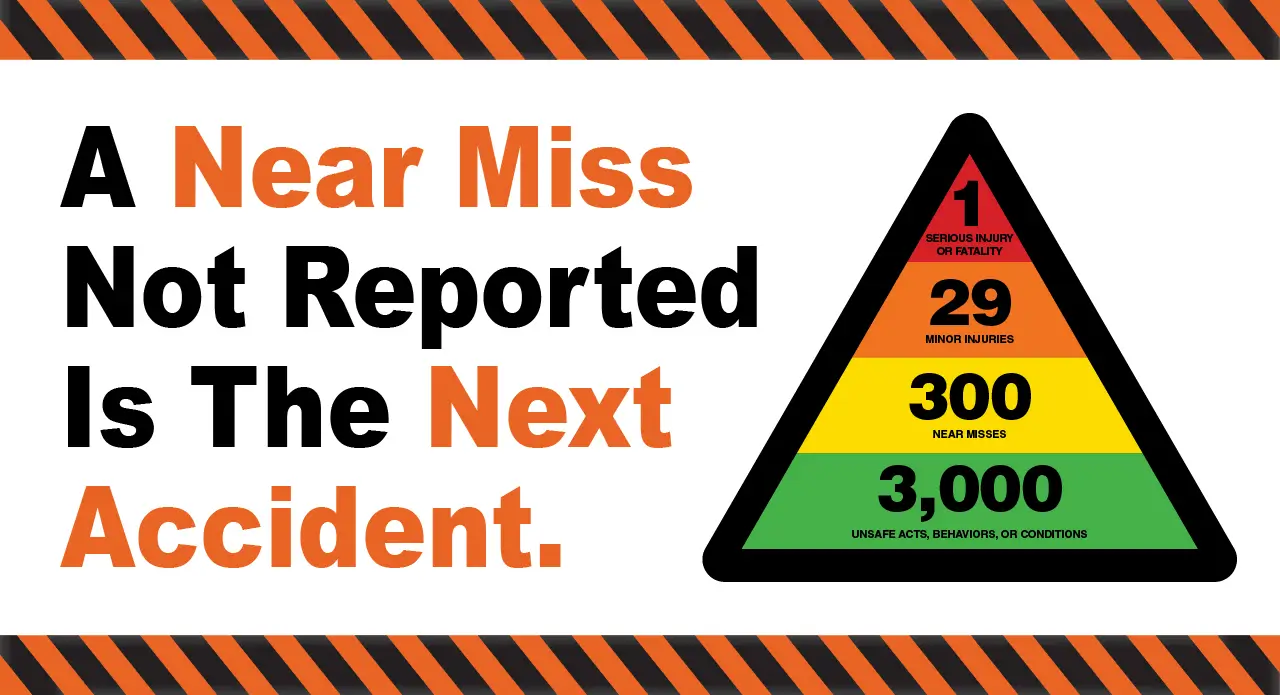
A Safety Stand-Down is a deliberate pause in operations that allows us to come together and discuss safety protocols, address concerns, and reinforce best practices in the workplace. This intentional break, often initiated by management, aims to refocus and re-educate employees on safety standards specific to their roles or the industry. Safety stand-downs can be structured, with presentations and training sessions, or more informal, involving open discussions about potential hazards and preventive measures.
Read More
0
min read

What is a Safety Stand Down?

A Safety Stand-Down is a deliberate pause in operations that allows us to come together and discuss safety protocols, address concerns, and reinforce best practices in the workplace. This intentional break, often initiated by management, aims to refocus and re-educate employees on safety standards specific to their roles or the industry. Safety stand-downs can be structured, with presentations and training sessions, or more informal, involving open discussions about potential hazards and preventive measures.

The importance of a Safety Stand-Down cannot be overstated. Firstly, it fosters an open line of communication between Team Members and Management about safety concerns, ensuring everyone is aligned with the company’s safety objectives. This proactive approach helps identify and mitigate potential risks before they become real threats.

Moreover, these sessions foster a culture of safety within the organization, emphasizing that Team Members' well-being is a top priority. When workers feel their safety is valued, they are more likely to adhere to protocols, leading to fewer incidents and a healthier work environment.

Safety Stand-Downs are integral components of effective workplace safety programs. When executed correctly, they offer numerous benefits:

Heightened Awareness: Stand-downs act as periodic reminders of the importance of safety. They bring potential hazards to light, ensuring that safety remains at the forefront of every worker’s mind.

Improved Communication: These sessions foster open dialogue between all Team Members, from top management to frontline workers. This communication helps bridge gaps in understanding or perception of safety practices and policies.

Injury and Accident Prevention: By focusing on specific safety concerns or recent incidents, Safety Stand-Downs can provide targeted education, potentially preventing future accidents or injuries.

Reinforces Safety Culture: Periodic Stand-Downs emphasize that safety is not a one-time topic but an ongoing priority. This can help ingrain a robust safety culture within the organization.

Employee Engagement: By involving workers in safety discussions and encouraging their feedback, Stand-Downs enhance Team Member engagement. Team Members feel more valued and involved when they can actively participate in safety discussions.

Compliance with Regulations: Regularly revisiting and discussing safety topics can help ensure an organization remains compliant with industry regulations and standards, avoiding potential penalties.

Reduction in Costs: Preventing accidents can significantly reduce costs associated with medical care, workers’ compensation, and potential legal liabilities.

Increased Productivity: A safe work environment promotes better morale and reduces disruptions caused by accidents. This can increase productivity as Team Members can focus on their tasks without safety concerns.

Enhanced Reputation: Organizations that prioritize safety and conduct regular Stand-Downs will likely have a better reputation among clients, partners, and potential Team Members.

Continuous Improvement: Gathering feedback during Stand-Downs can highlight areas of improvement. This iterative process ensures that safety protocols evolve as new risks emerge or better methods are developed.

In essence, Safety Stand-Downs invest in our Teams’ well-being and our organization’s overall health. Their benefits extend beyond immediate safety improvements, impacting productivity, costs, and reputation.

Get in Touch

Interested in Partnering or Joining Our Team? Connect with us to explore opportunities for collaboration and career growth at Brayman Construction.